

Hosting a Mahjong night at home is a fantastic way to bring friends and family together for an evening of strategy, laughter, and connection. Whether your guests are seasoned players or total beginners, a well-planned Mahjong night can be both fun and memorable. In this guide, we’ll walk you through everything you need to know—from setup and supplies to food, ambiance, and beginner-friendly tips.
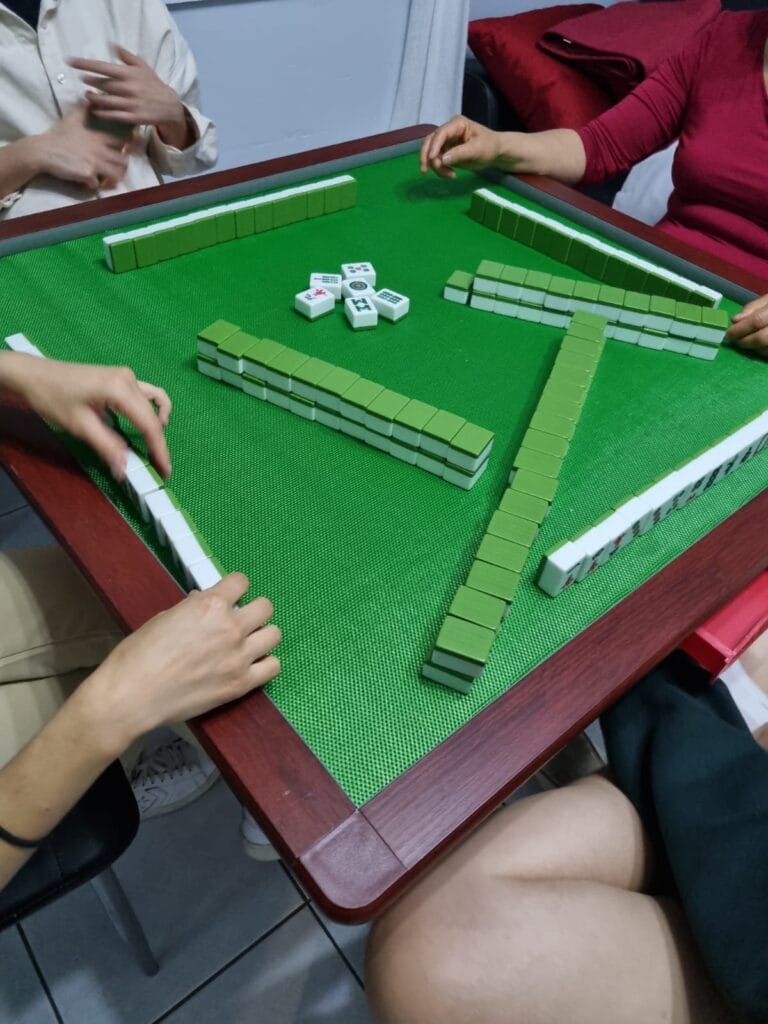
1. Choose the Right Space
Mahjong requires a bit more space than a typical board game, so selecting the right area is key.
What you’ll need:
- A sturdy table large enough for four players
- Comfortable seating
- Good lighting so tiles are easy to read
A dining table works perfectly, but coffee tables or foldable game tables can also do the job. Make sure players can easily reach the center of the table without straining.
2. Gather the Essentials
Before your guests arrive, make sure you have all the necessary Mahjong equipment ready.
Mahjong night checklist:
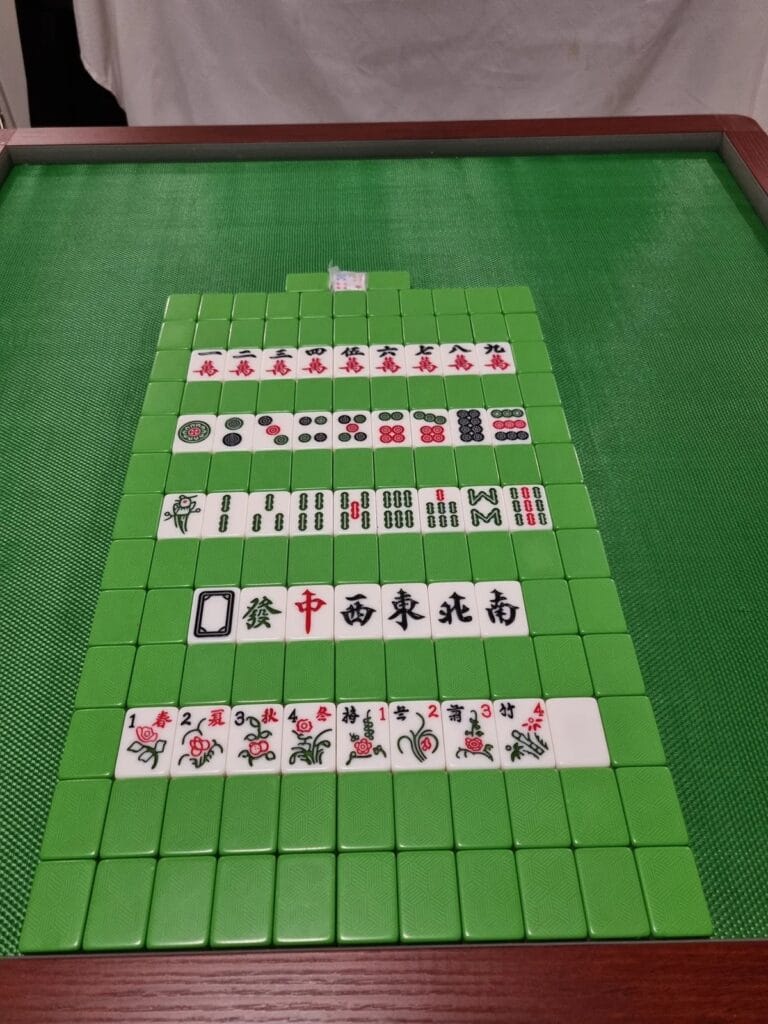
- A complete Mahjong set (Chinese, Western, or Riichi—choose one)
- Dice and scoring sticks or chips
- Tile racks (if included)
- Rule reference or cheat sheet
- Score sheets and pens (optional)
If you’re hosting beginnersi beginners, consider printing a simple rules summary so everyone can follow along easily.
3. Pick the Mahjong Style
Decide in advance which Mahjong version you’ll be playing. This avoids confusion and helps guests prepare.
Popular choices:
- Chinese / Hong Kong Mahjong – Great for strategy lovers
- Western (American) Mahjong – Structured hands and beginner-friendly
- Japanese (Riichi) Mahjong – Competitive and fast-paced
If your group is mixed, Western Mahjong or simplified Chinese Mahjong is often the easiest to introduce.
4. Create a Beginner-Friendly Atmosphere
Not everyone may know how to play, and that’s okay.
Tips for welcoming new players:
- Explain the goal of the game before diving into rules
- Do a practice round without scoring
- Encourage questions and keep the mood light
- Pair beginners with experienced players
Mahjong is as much about socializing as it is about winning, so keep things relaxed and fun.
If your group is mixed, Western Mahjong or simplified Chinese Mahjong is often the easiest to introduce.
5. Set the Mood with Food and Drinks
Snacks and drinks can elevate your Mahjong night—but keep them practical.
Best Mahjong-friendly snacks:
- Dumplings, spring rolls, or bao
- Nuts, fruit, or small pastries
- Finger foods that won’t leave residue on tiles
Drinks:
- Tea (traditional and fitting)
- Mocktails or light cocktails
- Water within easy reach
Avoid greasy or sticky foods near the tiles to protect your set.
6. Add Mahjong-Themed Touches
Small details can turn a casual game into a memorable event.
Ideas to enhance the experience:
- Mahjong-themed playlists or soft background music
- Tile-inspired coasters or décor
- Fun prizes for winners (or funny penalties for last place)
You can even ask guests to dress casually in green, red, or jade-inspired outfits for a themed night.
7. Keep the Game Flowing
Mahjong games can run long, so managing pacing helps keep energy high.
Helpful tips:
- Set a time limit or number of rounds
- Take short breaks between games
- Rotate seats or players if you have extras watching
This ensures everyone stays engaged without feeling overwhelmed.
Hosting a Mahjong night at home is a wonderful way to blend tradition, strategy, and social fun. With the right setup, welcoming atmosphere, and thoughtful details, your Mahjong night can become a regular event that friends and family look forward to. Whether it’s your first time hosting or your tenth, the joy of gathering around the table and sharing a game makes every tile worth it.
Ready to shuffle the tiles and deal? Your perfect Mahjong night awaits 🀄
Let’s play mahjong 🀄!
Wanting Mahjong Merchandise? We offer unique and personalised offerings.
Looking for a set of your own? See our mahjong merchandise, or rent a full setup to try one first.
More in Information, Lifestyle & Social