
Mahjong is a timeless game that has captured the hearts of players worldwide. While it has its origins in China, Mahjong has evolved into various regional variations, with Chinese Mahjong and Western Mahjong being two of the most distinct. In this blog post, we’ll explore the key differences between these two versions of the game, shedding light on their rules, tiles, and cultural significance.
1. The Tiles
Chinese Mahjong:
- 144 Tiles: Chinese Mahjong is traditionally played with a set of 144 tiles. These tiles are divided into three suits (Circles, Bamboos, and Characters), Honor tiles (Winds and Dragons), and Bonus tiles (Flowers and Seasons).
- No Jokers: Chinese Mahjong does not use joker tiles. Players rely solely on the tiles in their standard set to form combinations and win the game.

Western Mahjong:
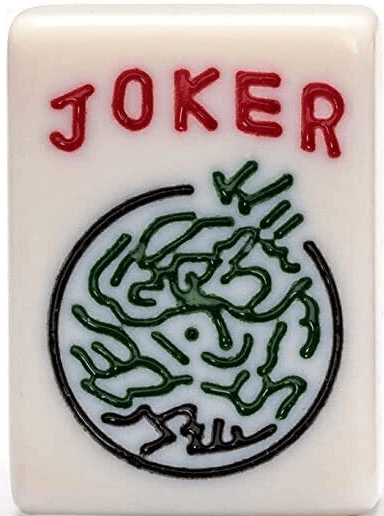
- 152 Tiles: Western Mahjong, also known as American Mahjong, uses a set of 152 tiles. In addition to the tiles found in Chinese Mahjong, it includes 8 jokers that can be used as wild cards.
- Jokers: Jokers in Western Mahjong add an element of unpredictability. They can substitute for any tile, offering players more flexibility in completing winning combinations.
2. The Rules
Chinese Mahjong:
- Standard Rules: Chinese Mahjong follows traditional rules that have been in place for generations. The game emphasizes specific combinations, scoring systems, and strategies.
- Minimal Variations: While there may be regional variations in rules, Chinese Mahjong is known for its consistency and adherence to time-honored traditions.
Western Mahjong:
- Adaptation and Variability: Western Mahjong has seen adaptation and evolution over time. It is played with various rule sets and scoring systems, often influenced by the preferences of local players or groups.
- Hands and Scoring: Western Mahjong typically uses a “card” that lists different combinations or hands players can aim to complete. The hands vary in complexity and points awarded.
- The Charleston: The Charleston is an essential part of Western Mahjong. Players pass tiles to each other in a strategic manner, enhancing their chances of completing their chosen hands. This phase adds a unique layer of interaction and complexity to the game.
3. The Cultural Context
Chinese Mahjong:
- Cultural Significance: Mahjong is deeply ingrained in Chinese culture, reflecting social dynamics, family gatherings, and leisure activities. It has also found its way into Chinese literature, art, and cinema.
- Strategy and Tradition: Chinese Mahjong places a strong emphasis on strategy and adheres to established traditions. It is often associated with the skill and wisdom of older generations.
Western Mahjong:
- Social Enjoyment: Western Mahjong, particularly American Mahjong, is often played in a more relaxed, social setting. It brings people together for friendly games and is a popular pastime in various communities.
- Adaptation and Creativity: Western Mahjong allows for more adaptation and creativity in rule sets and gameplay. It embraces new variations and local preferences.
It’s obvious that Chinese Mahjong and Western Mahjong represent two distinct branches of a beloved game, each with its own rules, tiles, and cultural significance. While Chinese Mahjong maintains a strong connection to tradition and strategy, Western Mahjong offers a more adaptable and social experience, with variations in rules and the inclusion of jokers.
No matter which version you play, Mahjong continues to bridge cultures, generations, and geographical boundaries, showcasing the enduring appeal of this timeless game. Whether you’re drawn to the elegance of Chinese Mahjong or the creativity of Western Mahjong, the spirit of the game remains the same: to enjoy the camaraderie and challenge that Mahjong offers.
Let’s play mahjong 🀄!
Wanting Mahjong Merchandise? We offer unique and personalised offerings.
Learning on a proper table helps. Rent a complete mahjong set — tiles, table and racks, delivered ready to play across Sydney.
More in Beginner's Guides, Information, Mahjong Variations