

In a world where screens often replace face-to-face interactions, the allure of a game that brings people together around a table remains as strong as ever. Mahjong, an ancient game with roots in China, has proven to be a powerful catalyst for social bonding across generations and backgrounds. In this blog post, we’ll explore how Mahjong transcends age and cultural barriers, fostering enjoyable interactions among diverse groups of players.
The Ageless Appeal of Mahjong
One of Mahjong’s most remarkable attributes is its universal appeal. Unlike many games that tend to cater to specific age groups, Mahjong welcomes players of all ages, from the very young to the elderly. This inclusivity stems from several factors:
1. Simplicity Meets Complexity: Mahjong’s basic rules are easy to grasp, making it accessible to children and newcomers. Yet, the game’s depth and strategic nuances provide a satisfying challenge for seasoned players, captivating their interest throughout life.
2. Cross-Generational Play: Mahjong offers a unique opportunity for different generations within a family to come together. Grandparents can teach their grandchildren the game, passing down not only the rules but also cherished family traditions.
3. Bridging Cultural Divides: Mahjong transcends cultural boundaries. It has been adopted and adapted in various countries, creating a global community of players who share a common love for the game. This cultural diversity can lead to rich and enlightening exchanges among players.
The Magic of Mahjong Gatherings
Mahjong gatherings are more than just games; they are occasions for connection, communication, and shared experiences. Here’s how Mahjong creates a conducive environment for social interactions:
1. Communication: Mahjong often requires players to form partnerships or alliances, fostering teamwork and communication. Players must discuss their strategies, share information, and make decisions together.
2. Relaxation and Laughter: The social setting of a Mahjong game is an ideal backdrop for relaxation and enjoyment. Players can unwind, have fun, and share laughter, reducing stress and promoting overall well-being.
3. Cultural Exchange: When people from diverse cultural backgrounds gather to play Mahjong, they have the opportunity to learn about one another’s customs and traditions. Sharing stories and experiences adds depth to the gaming experience.
4. Bonding: Whether it’s family members reconnecting or friends strengthening their relationships, Mahjong facilitates bonding through shared victories, defeats, and the camaraderie that comes from hours spent together at the table.
Mahjong and the Digital Age
In today’s digital age, the appeal of Mahjong remains undiminished. While online Mahjong platforms exist, many players continue to cherish the tangible experience of playing with physical tiles, relishing the tactile sensations, and savoring the sounds of the tiles as they are shuffled and placed on the table.
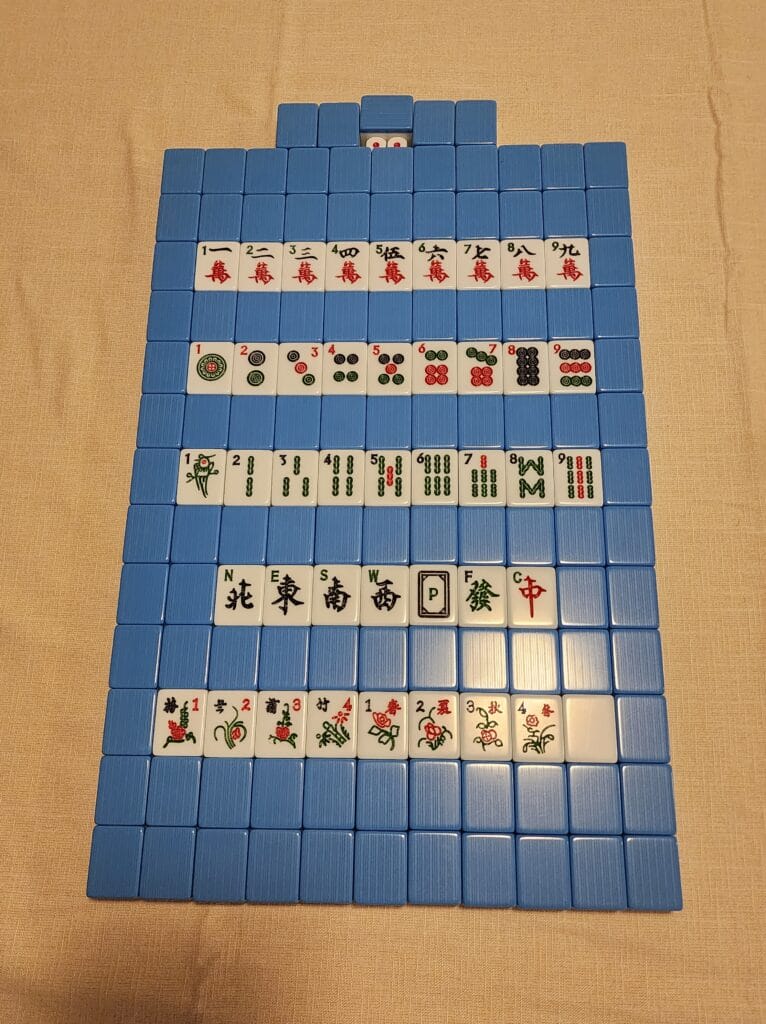
Mahjong, with its timeless allure and cross-generational appeal, stands as a testament to the enduring power of tabletop games in fostering social connections. Whether you’re a novice, a seasoned player, young or old, Mahjong offers a welcoming seat at the table where enjoyable interactions and meaningful relationships are cultivated. In a world that sometimes feels divided, Mahjong is a reminder that the simple act of playing together can bring harmony and unity to the hearts of those who gather around its
Let’s play mahjong 🀄!
Wanting Mahjong Merchandise? We offer unique and personalised offerings.
Hosting soon? Rent a complete mahjong setup delivered across Sydney, or browse our original mahjong merchandise.
More in Lifestyle & Social