
Beginner's Guides

Mahjong Terminology Explained: Common Words Every Player Should Know

Mahjong comes with its own language, and learning the terminology makes the game far less intimidating. At first, the unfamiliar words can feel like a barrier—but once you understand them, the game becomes clearer, smoother, and far more enjoyable.

Think of Mahjong terminology like learning basic phrases in a new language. You don’t need to be fluent on day one, but knowing the essentials makes everything easier.

Below is a simple breakdown of common Mahjong terms every player should know.

Essential Mahjong Terms

Chow: A sequence of three consecutive tiles in the same suit (e.g., 3-4-5 Numbers or 3-4-5 Dots). Chows can usually only be claimed from the player immediately before you, making timing and position important.

Pung: Three identical tiles (e.g., three Red Dragons or three 7 Dots or three Direction Tiles). Pungs are powerful because they’re easy to recognize and often score points in many Mahjong variations.

Kong: Four identical tiles. Often allows an extra draw. Declaring a Kong usually allows you to draw an extra tile, but it also reveals valuable information to your opponents. Deciding when to declare a Kong is both a tactical and strategic choice.

Pair (Eyes): Two identical tiles needed to complete a winning hand. Choosing the right pair can make the difference between a fast win and a stalled hand.
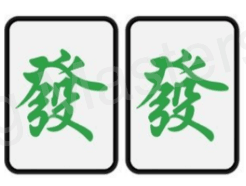
Meld: Any declared set (Chow, Pung, or Kong). A meld refers to any declared set: Chow, Pung, or Kong – that is exposed on the table. Melds speed up your hand but reduce concealment, which can make you easier to read.

Concealed Hand: A hand made without calling tiles from others. These hands are harder to read and often score higher in many rule sets.

Discard: A tile thrown into the center after drawing. Discards provide crucial information about opponents’ intentions.

Wall: The stacked tiles from which players draw. Watching how the wall shrinks helps experienced players gauge how close the game is to ending.

Why Terminology Matters

Understanding Mahjong terms:

  • Speeds up gameplay
  • Prevents confusion at the table
  • Helps you follow strategy discussions
  • Makes learning new variations easier

Learning Mahjong vocabulary is like learning chess notation, it unlocks deeper understanding and enjoyment of the game. Once the language clicks, Mahjong transforms from a mysterious pastime into a strategic and social experience.

Let’s play mahjong 🀄!

Share this

Previous Post

Mahjong Set Selection Guide: Finding Your Perfect Match

Choosing the right Mahjong set can greatly enhance your gaming experience. Whether you’re a seasoned player or just starting out, the world of Mahjong sets is rich and varied. In this blog post, we’ll provide a comprehensive Mahjong set selection guide, offering tips and advice for selecting the perfect set that aligns with your preferences and skill level.

Material Matters: Wood, Plastic, or Bakelite?

One of the primary considerations when selecting a Mahjong set is the material of the tiles and other components. Each material has its own unique characteristics:

1. Wood: Traditionalists often prefer wooden Mahjong sets for their authenticity and tactile feel. They can be beautifully crafted and add an elegant touch to the game. However, wooden sets are often heavier and more fragile.

2. Plastic: Plastic sets are lightweight, durable, and affordable. They are a practical choice for beginners or those who prefer a more casual play style. They are also less susceptible to damage from spills or mishandling.

3. Bakelite: Bakelite sets strike a balance between authenticity and durability. They are known for their smooth, satisfying feel and distinctive clacking sound. Bakelite is a popular choice among serious players.

Design and Style: Traditional or Modern?

Mahjong sets come in a range of designs, and your choice should reflect your personal taste and style:

1. Traditional: Traditional sets often feature intricate, hand-painted designs that harken back to the game’s Chinese origins. These sets may include symbols and characters with deep cultural significance.

2. Modern: Contemporary sets come in various styles, from minimalist to bold and vibrant. They may include non-traditional designs and patterns, catering to those who prefer a more modern aesthetic.

Size Matters: Full-Size or Travel-Friendly?

Mahjong sets come in different sizes, and your choice may depend on where and how you plan to play:

1. Full-Size: Full-size sets are the standard for home play and formal gatherings. They typically include larger tiles that are easy to handle and appreciate.

2. Travel-Friendly: If you intend to play Mahjong on the go, consider a travel-sized set. These compact sets are lightweight and portable, making them suitable for vacations or outdoor gatherings.

Chinese, Japanese, or Western Style: Know Your Rules

The type of Mahjong you plan to play also influences your choice of set:

1. Chinese Style: If you’re playing traditional Chinese Mahjong, look for sets with suit tiles (circles, bamboos, and characters), honor tiles (winds and dragons), and optional bonus tiles (flowers and seasons).

2. Japanese Style: Japanese Riichi Mahjong uses a specific set of tiles, which includes red five-bamboos and excludes some optional tiles found in Chinese sets. Ensure your set aligns with Japanese rules if that’s your preferred style.

3. Western Style: Western Mahjong, also known as American Mahjong, uses its own unique set of tiles, which includes joker tiles. Make sure your set is compatible with the rules you intend to play.

Budget Considerations

Mahjong sets can vary widely in price. Set a budget that suits your needs and preferences. While there are budget-friendly options, investing in a quality set can enhance your enjoyment and durability.

Selecting the right Mahjong set is a personal journey, influenced by your play style, preferences, and intended use. Whether you’re drawn to the traditional allure of wooden tiles or the modern convenience of a plastic set, there’s a Mahjong set out there that’s perfect for you. Remember that your Mahjong set is not just a tool for play; it’s a symbol of your love for this timeless game, and it should reflect your passion for it.

Let’s play mahjong 🀄!