Welcome to The Mahjong Masters blog! Where we will try to provide information on mahjong. Everything from basics to some tricks that may come in useful!
How to Style a Mahjong Night for Instagram
Mahjong nights aren’t just about gameplay anymore—they’re social, stylish, and highly shareable.
Choose a Statement Mahjong Set
Opt for:
Pastel or translucent tiles
Gold-foil or engraved designs
Coordinated racks and dice
Table Styling Tips
Use linen or neutral tablecloths
Add candles or soft lighting
Match snacks to your color palette
Capture the Moment
Flat-lay tile shots
Mid-game candid photos
Overhead table angles
A beautifully styled Mahjong night turns a classic game into a modern social experience.
In a world where screens often replace face-to-face interactions, the allure of a game that brings people together around a table remains as strong as ever. Mahjong, an ancient game with roots in China, has proven to be a powerful catalyst for social bonding across generations and backgrounds. In this blog post, we’ll explore how Mahjong transcends age and cultural barriers, fostering enjoyable interactions among diverse groups of players.
The Ageless Appeal of Mahjong
One of Mahjong’s most remarkable attributes is its universal appeal. Unlike many games that tend to cater to specific age groups, Mahjong welcomes players of all ages, from the very young to the elderly. This inclusivity stems from several factors:
1. Simplicity Meets Complexity: Mahjong’s basic rules are easy to grasp, making it accessible to children and newcomers. Yet, the game’s depth and strategic nuances provide a satisfying challenge for seasoned players, captivating their interest throughout life.
2. Cross-Generational Play: Mahjong offers a unique opportunity for different generations within a family to come together. Grandparents can teach their grandchildren the game, passing down not only the rules but also cherished family traditions.
3. Bridging Cultural Divides: Mahjong transcends cultural boundaries. It has been adopted and adapted in various countries, creating a global community of players who share a common love for the game. This cultural diversity can lead to rich and enlightening exchanges among players.
The Magic of Mahjong Gatherings
Mahjong gatherings are more than just games; they are occasions for connection, communication, and shared experiences. Here’s how Mahjong creates a conducive environment for social interactions:
1. Communication: Mahjong often requires players to form partnerships or alliances, fostering teamwork and communication. Players must discuss their strategies, share information, and make decisions together.
2. Relaxation and Laughter: The social setting of a Mahjong game is an ideal backdrop for relaxation and enjoyment. Players can unwind, have fun, and share laughter, reducing stress and promoting overall well-being.
3. Cultural Exchange: When people from diverse cultural backgrounds gather to play Mahjong, they have the opportunity to learn about one another’s customs and traditions. Sharing stories and experiences adds depth to the gaming experience.
4. Bonding: Whether it’s family members reconnecting or friends strengthening their relationships, Mahjong facilitates bonding through shared victories, defeats, and the camaraderie that comes from hours spent together at the table.
Mahjong and the Digital Age
In today’s digital age, the appeal of Mahjong remains undiminished. While online Mahjong platforms exist, many players continue to cherish the tangible experience of playing with physical tiles, relishing the tactile sensations, and savoring the sounds of the tiles as they are shuffled and placed on the table.
Mahjong, with its timeless allure and cross-generational appeal, stands as a testament to the enduring power of tabletop games in fostering social connections. Whether you’re a novice, a seasoned player, young or old, Mahjong offers a welcoming seat at the table where enjoyable interactions and meaningful relationships are cultivated. In a world that sometimes feels divided, Mahjong is a reminder that the simple act of playing together can bring harmony and unity to the hearts of those who gather around its
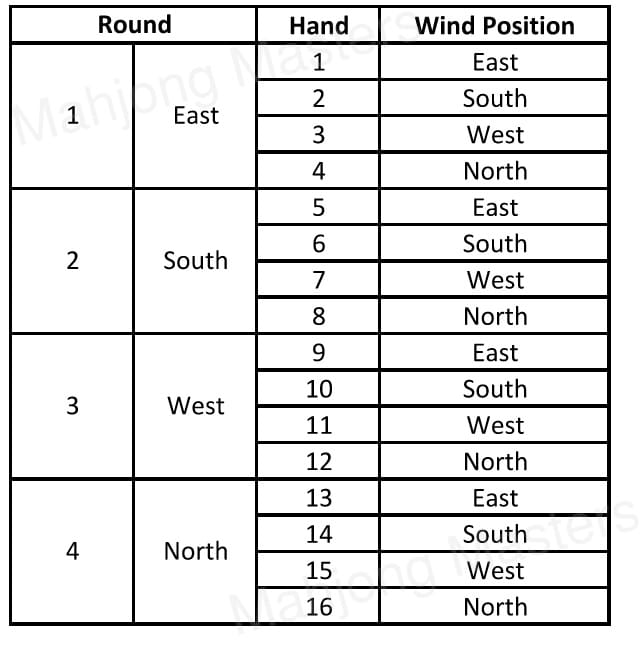
After each hand, the “Wind Position” (also known as seating position) rotates counter clockwise. This would also happen in the event of a dead hand (where no one wins). Players that have a set with the “Wind” dice, can use this as a reminder on who is “East”, helping the other players remember their position.
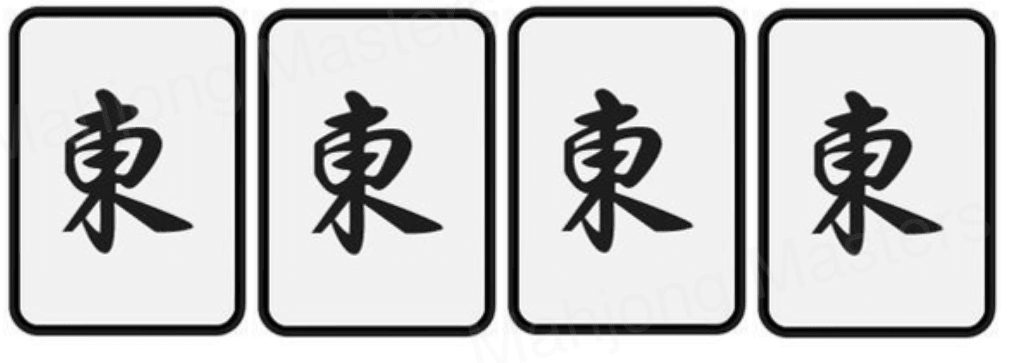
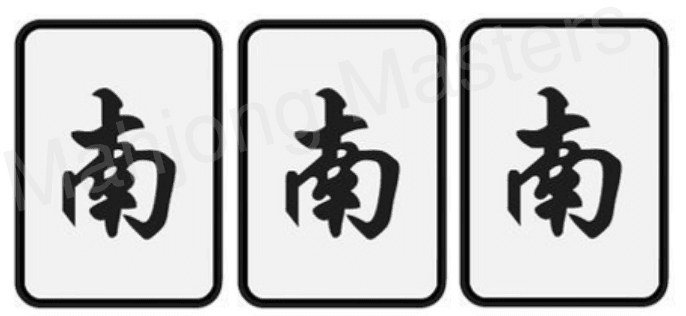
There are benefits of being the Wind position. You get extra points for a Pung/Kong hand of Winds that match the “Round” or the “Wind Position”.
There are a total of 4 rounds:
East
South
West
North
In each “round”, the seating (Wind) position changes, so a player plays each seat (Wind) in each round. This means if a player starts as East in the East round, they will play as follows:
For example, you are playing hand #5, and you are in the South “Round”, and are in the East “Wind Position”. If you have a Pung or Kong Combo of a South or an East hand, then you will additional 2 points in each of those.
The Basics of Mahjong: A Beginner’s Guide to Getting Started
Welcome to the world of Mahjong! At The Mahjong Masters, whether you’re a complete beginner or have dabbled in the game before, this article will provide you with a solid foundation to understand and enjoy this captivating game.
Mahjong is a tile-based game that originated in China and has gained popularity worldwide. Let’s dive into the basics and get you started on your Mahjong journey.
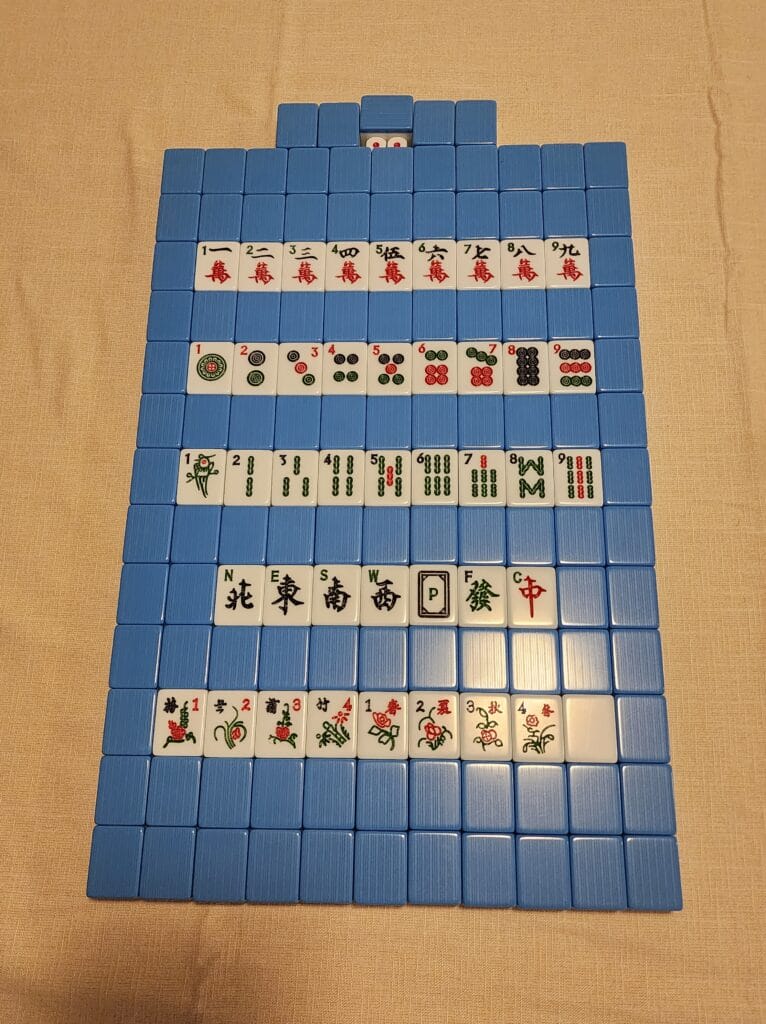
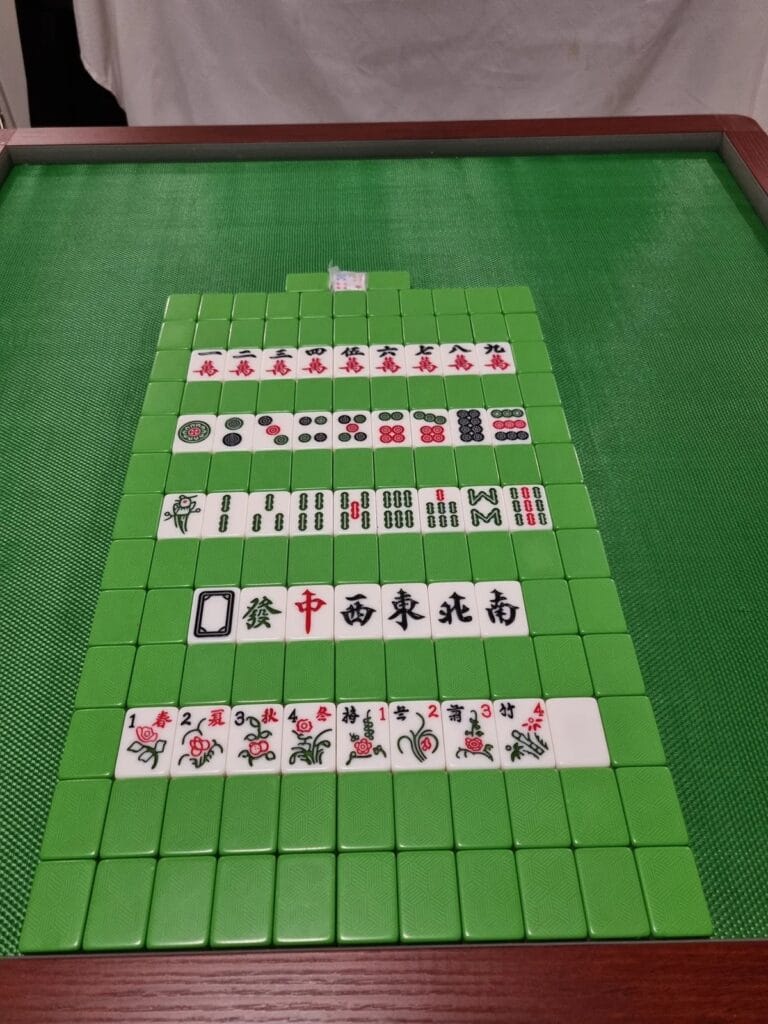
The Tiles: Chinese Mahjong is played with a set of 144 tiles, which are divided into different categories. These categories include suits, honor tiles, and bonus tiles.
The suits consist of characters, circles and bamboos, each numbered from one to nine.
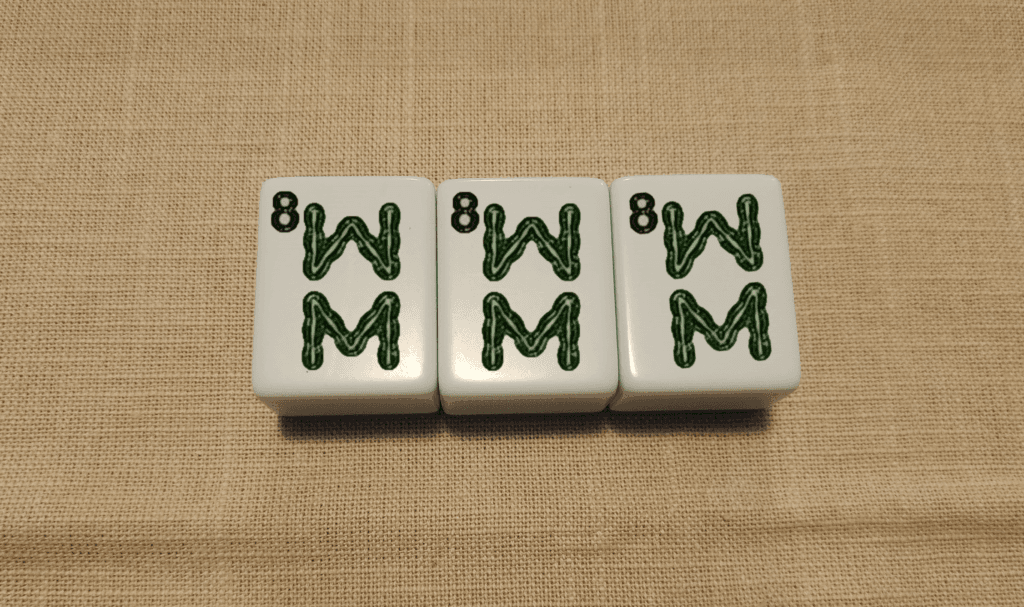
Honor tiles include winds (north, east, south and west) and dragons (red – middle, green – dragon, and white – tile).
Bonus tiles include flowers, seasons and jokers, which are not essential for gameplay but add an extra layer of excitement.
Western Mahjong is played with 152 tiles.
The Objective: The goal of Mahjong is to create specific combinations of tiles, known as “melds,” to form a winning hand.
A winning hand typically consists of four melds and a pair (also known as ‘eyes’).
The melds can be sets (three identical tiles, also known a “Pong”) or sequences (three consecutive tiles of the same suit).
If you are lucky enough, you make be able to get a meld of 4 identical tiles, known as a “Kong”
There is also hands that are instant wins for example the “Thirteen Orphans” hand.
Game Setup: To begin a game of Mahjong, the tiles are shuffled face-down, and each player is given a specific number of tiles, depending on the variation being played.
Typically, players start with 13 tiles and take turns drawing and discarding tiles until they complete their winning hand.
Turn Structure: During a player’s turn, they have the option to claim a tile discarded by another player to complete a meld or draw a tile from the wall.
When a player claims a tile, they must declare the type of meld they are forming (set or sequence).
After claiming a tile, the player must discard a tile from their hand, making it available for other players to claim.
Winning: To win a round of Mahjong, a player must complete a winning hand by forming the required melds and having a pair of matching tiles. Once a player has a winning hand, they declare “Mahjong!” and reveal their tiles for verification. If the hand is valid, the player wins the round and scores points based on the specific rules of the game being played.
Variations and Strategies: Mahjong has various regional and international variations, each with its own set of rules and strategies. Some popular variations include Chinese Classical Mahjong, Riichii Mahjong, and American Mahjong. Exploring different variations can add depth and excitement to your Mahjong experience.
Congratulations! You’ve taken your first steps into the captivating world of Mahjong. By understanding the basics of tile categories, game setup, turn structure, and winning conditions, you’re well-equipped to start playing and enjoying this ancient game. Remember, practice makes perfect, so grab a set of tiles, gather some friends, and dive into the joy and strategy of Mahjong. Good luck, and may your tiles always bring you fortune!
Introduction to Mahjong Point Counting Systems: From Riichi to MCR
Mahjong is a game rich in complexity, strategy, and cultural significance. One of the critical elements of the game is scoring, which can vary significantly based on the variant being played. Each type of Mahjong has its own point counting system, and understanding these systems is crucial for becoming a skilled player. In this post, we will explore some of the most prominent Mahjong point counting systems, shedding light on their unique characteristics.
1. Chinese Classical Mahjong
In Chinese Classical Mahjong, players typically use a simpler point counting system. Here are some essential aspects:
Fan: Fan (literally “points”) are similar to yaku in Riichi. They represent specific combinations or achievements. For example, “Big Three Winds” awards three fan for collecting all three wind sets.
Limit Hands: These are special hands that can instantly win a game and are assigned specific point values. For instance, “Thirteen Orphans” is worth the maximum number of points.
The scoring in Chinese Classical Mahjong can be more flexible than Riichi, allowing for a greater variety of winning combinations.
2. Riichi Mahjong (Japanese Modern)
Riichi scoring, used in Japanese Modern Mahjong, is known for its simplicity and elegance. Players accumulate points through various winning combinations. Key elements include:
Yaku: These are specific combinations of tiles that add points to your score. Common yaku include “Tanyao” (all simple tiles), “Pinfu” (no-points hand), and “Riichi” (declaring ready).
Han: Han represents the multiplier applied to your score based on the difficulty of your winning hand. A higher han means more points.
Fu: Fu are additional points added to your score based on the composition of your hand.
The scoring formula is as follows: Score = (Base Points + Yaku Points) x (2^Han) x Fu.
3. Mahjong Competition Rules (MCR)
Mahjong Competition Rules, or MCR, is a standard rule set used in international Mahjong competitions. It employs a comprehensive and intricate point counting system with various elements:
Base Points: Each player begins with a set number of points.
Fan: Similar to Riichi’s yaku and Chinese Classical Mahjong’s fan, MCR uses fan to assign point values to specific combinations.
Limit Hands: MCR introduces complex limit hands, such as “Pure Thirteen Orphans” or “Four Pure Shifted Chows,” each with unique point values.
Penalties: Points can also be deducted as penalties for certain infractions.
MCR scoring can be challenging to grasp for newcomers but is considered the most competitive and balanced system for Mahjong tournaments.
Mahjong is a game with deep cultural roots and a rich diversity of point counting systems. Whether you’re playing Riichi, Chinese Classical, or MCR Mahjong, understanding the scoring rules specific to your variant is essential. Each system offers its own unique challenges and strategies, making Mahjong a timeless and endlessly fascinating game enjoyed by millions around the world. So, the next time you sit down to play Mahjong, keep in mind the intricate scoring system that adds layers of depth and excitement to this beloved pastime.
How to Host a Mahjong Night at Home: A Complete Guide
Hosting a Mahjong night at home is a fantastic way to bring friends and family together for an evening of strategy, laughter, and connection. Whether your guests are seasoned players or total beginners, a well-planned Mahjong night can be both fun and memorable. In this guide, we’ll walk you through everything you need to know—from setup and supplies to food, ambiance, and beginner-friendly tips.
1. Choose the Right Space
Mahjong requires a bit more space than a typical board game, so selecting the right area is key.
What you’ll need:
A sturdy table large enough for four players
Comfortable seating
Good lighting so tiles are easy to read
A dining table works perfectly, but coffee tables or foldable game tables can also do the job. Make sure players can easily reach the center of the table without straining.
2. Gather the Essentials
Before your guests arrive, make sure you have all the necessary Mahjong equipment ready.
Mahjong night checklist:
A complete Mahjong set (Chinese, Western, or Riichi—choose one)
Dice and scoring sticks or chips
Tile racks (if included)
Rule reference or cheat sheet
Score sheets and pens (optional)
If you’re hosting beginnersi beginners, consider printing a simple rules summary so everyone can follow along easily.
3. Pick the Mahjong Style
Decide in advance which Mahjong version you’ll be playing. This avoids confusion and helps guests prepare.
If your group is mixed, Western Mahjong or simplified Chinese Mahjong is often the easiest to introduce.
4. Create a Beginner-Friendly Atmosphere
Not everyone may know how to play, and that’s okay.
Tips for welcoming new players:
Explain the goal of the game before diving into rules
Do a practice round without scoring
Encourage questions and keep the mood light
Pair beginners with experienced players
Mahjong is as much about socializing as it is about winning, so keep things relaxed and fun.
If your group is mixed, Western Mahjong or simplified Chinese Mahjong is often the easiest to introduce.
5. Set the Mood with Food and Drinks
Snacks and drinks can elevate your Mahjong night—but keep them practical.
Best Mahjong-friendly snacks:
Dumplings, spring rolls, or bao
Nuts, fruit, or small pastries
Finger foods that won’t leave residue on tiles
Drinks:
Tea (traditional and fitting)
Mocktails or light cocktails
Water within easy reach
Avoid greasy or sticky foods near the tiles to protect your set.
6. Add Mahjong-Themed Touches
Small details can turn a casual game into a memorable event.
Ideas to enhance the experience:
Mahjong-themed playlists or soft background music
Tile-inspired coasters or décor
Fun prizes for winners (or funny penalties for last place)
You can even ask guests to dress casually in green, red, or jade-inspired outfits for a themed night.
7. Keep the Game Flowing
Mahjong games can run long, so managing pacing helps keep energy high.
Helpful tips:
Set a time limit or number of rounds
Take short breaks between games
Rotate seats or players if you have extras watching
This ensures everyone stays engaged without feeling overwhelmed.
Hosting a Mahjong night at home is a wonderful way to blend tradition, strategy, and social fun. With the right setup, welcoming atmosphere, and thoughtful details, your Mahjong night can become a regular event that friends and family look forward to. Whether it’s your first time hosting or your tenth, the joy of gathering around the table and sharing a game makes every tile worth it.
Ready to shuffle the tiles and deal? Your perfect Mahjong night awaits 🀄
If you are playing with flowers and seasons, and players have those tiles in their starting hand, in order starting from East, South, West, North, place the the tile facing up, and pick up from the ‘back’ of the wall (dead wall).
If another Flower or Season tile is drawn from the wall, it is immediately declared and replaced.
Step 3: Replacement (Kongs)
If anyone has a concealed Kong, it may be declared, and placed face down, and draw a replacement tile from the dead wall.
Step 4: East starting discard
As the dealer (East position) has an additional tile (14) as opposed to the other players (13), they must start by discarding a tile of their choice, face up in the middle of the square/table.
Step 5: Drawing tiles
Next, South can either chose to claim the tile if it completes a “hand”, if so they must discard a tile; or draw a tile from the wall then make a discard.
This will go around the table as East, South, West, North and so forth.
Step 6: Claiming a Tile
Pung (set of 3 identical tiles) If a tile is discarded that can form a “pung”, any player can claim the tile, show the created set and discard a tile. When this happens, the sequence of play is broken, and the player to the right of the person who called “pung” claims, or pick up and discard.
Kong (set of 4 identical tiles) If a tile is discarded that can form a “Kong”, any player can claim the tile, exposts the created set and discard a tile. When this happens, the sequence of play is broken, and the player to the right of the person who called “Kong” claims, or pick up and discard.
However, if a “Kong” is completed by a player drawing from the wall, that player can keep the hand concealed. The player will need a replacement tile from the dead wall and discard as usual. The sequence of place continues.
An advantage of keeping a “Kong” concealed is that the player may split it later and use one of the tiles to create a “Chow” if they wish, and therefore have a “Chow” and a “Pung”.
You are not permitted to use a discarded tile to make a declared “Pung” into a “Kong”. However, if you draw a tile from the wall yourself, you can use it to make a “Kong” from a declared “Pung” you have already placed on the table.
Chow (also known as Run) A “Chow” is a “Run”/sequence of 3 tiles in the same suit.
If the discarded tile is for a “Chow”/”Run”, it can only be picked up from the player who discarded before your turn (the player to your left). The “Run” cannot be made from other players discards. Therefore, when a “Chow” is completed, the sequence of play continues.
In some game rules, once a “Chow” has been claimed, you must stick to that suit for all the other hands (Chows, Pungs, Kongs or Eyes).
Eye (also known as a Pair) An “Eye” (also known as “Pair”) cannot be claimed from a discard unless it is to go out and declare Mahjong. Only one “Pair” is allowed in the hand.
Claiming Priority
If it happens that two people are attempting to claim during a discard, the priority is as follows:
Going out (declaring Mahjong)
Kong
Pung
Chow
Where two players claim the same tile for Mahjong, the player to the right of the thrower wins.
Flowers/Seasons Tiles Whenever a flower or season tile is drawn, it should immediately be exposes and a replacement from the dead wall be drawn.
Some game variations allow for the idea that if a player holds all Flower tiles (4 of) then that they automatically win the game.
Waiting to Win When a player only needs one more tile to make “Mahjong”, he has a “ready hand”. This is called “Waiting”.
Winning When a player created a hand of complete sets and a pair, this is Mahjong, and they declare this out loud.
Generally, a winning hand is four sets of Pungs, Chows or Kongs and a Pair.
In some variations, if someone declares “Mahjong” and when exposing, it is found that this was not a correct call, they will be penalised (either through paying the other players through chips/tokens).
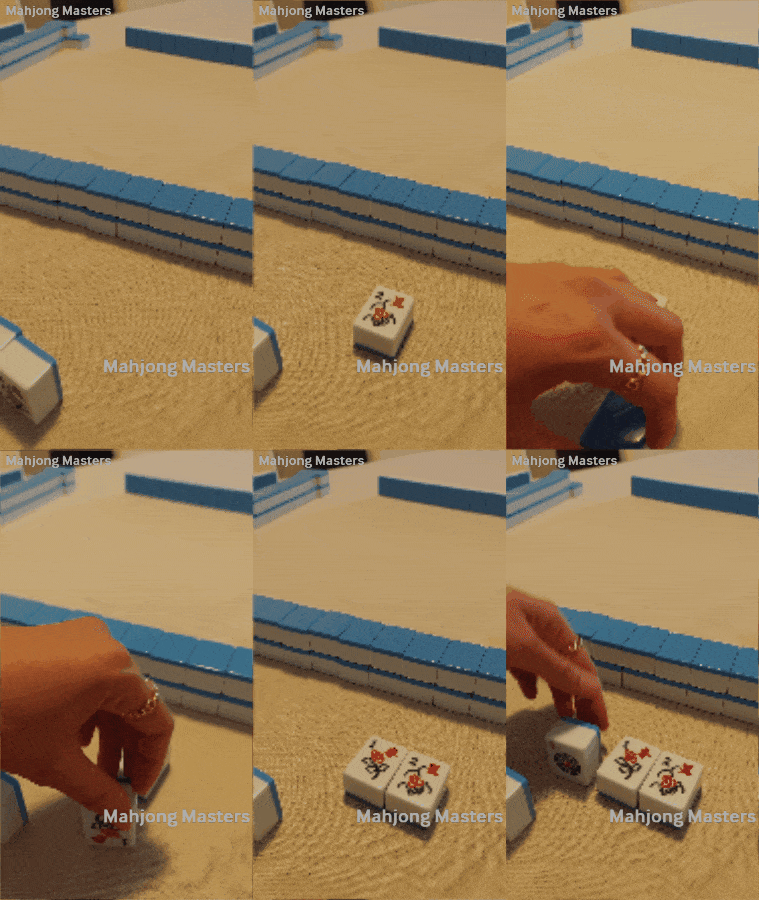
Please read some tips on how to set-up the mahjong tiles and deal a game including photos and short gif’s.
Step 1: Pick a dealer
The dealer (and the table position) is chosen by various means:
Each player throws a dice (or a pair of die) with the highest count taking the dealer position (East), second-highest taking south, third-highest taking west and last taking north. (A simpler version is that everyone takes a seat at the mahjong table. Everyone rolls a pair of dice and the highest becomes east, and people already sitting at the table get their relevant position.)
Or one player may place one tile of each wind face down and shuffle them. Each player randomly select one of these tiles and these tiles dictate their wind position. Each player sits down at their respective position (called the wind position) at the table in positions of an inverted compass: East is dealer, the right of the dealer is South, across is West, and the left is North.
The order of play is traditionally counter-clockwise.
Step 2: Setting up the wall
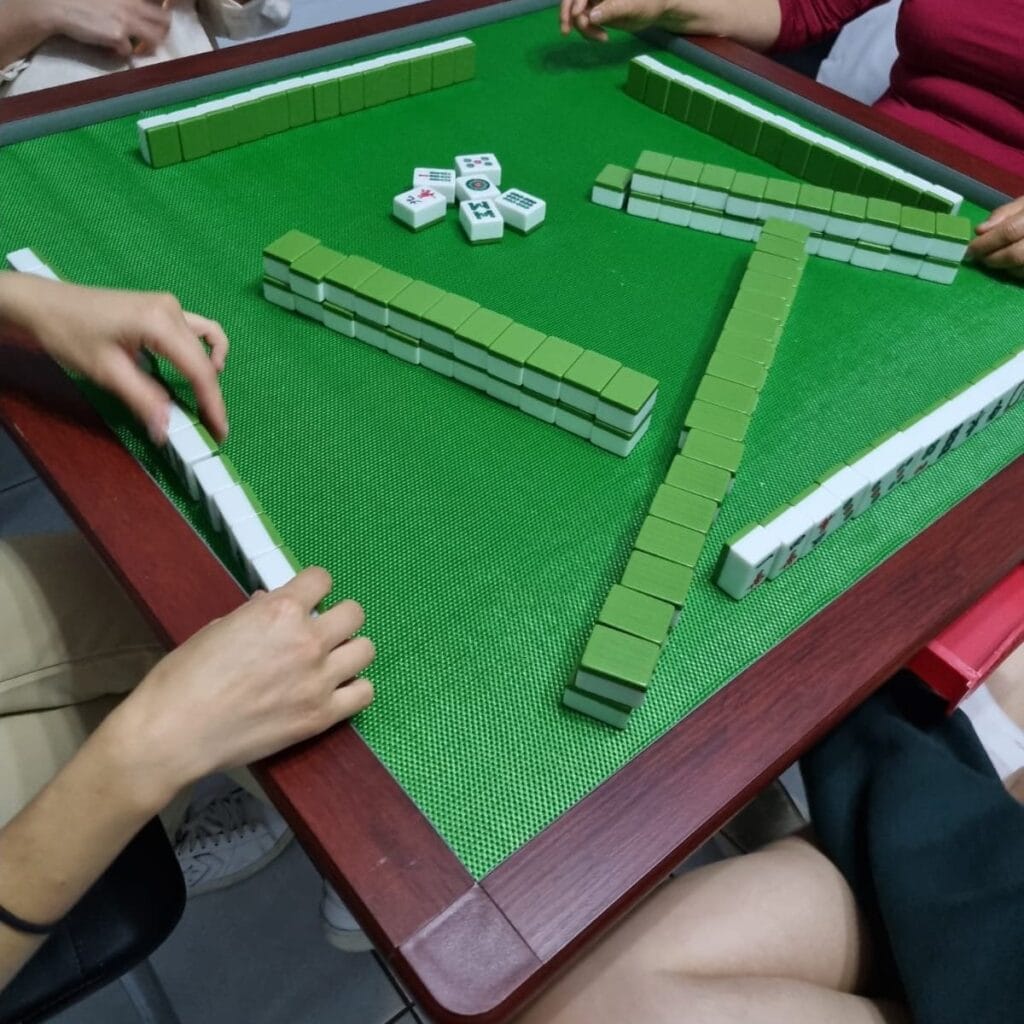
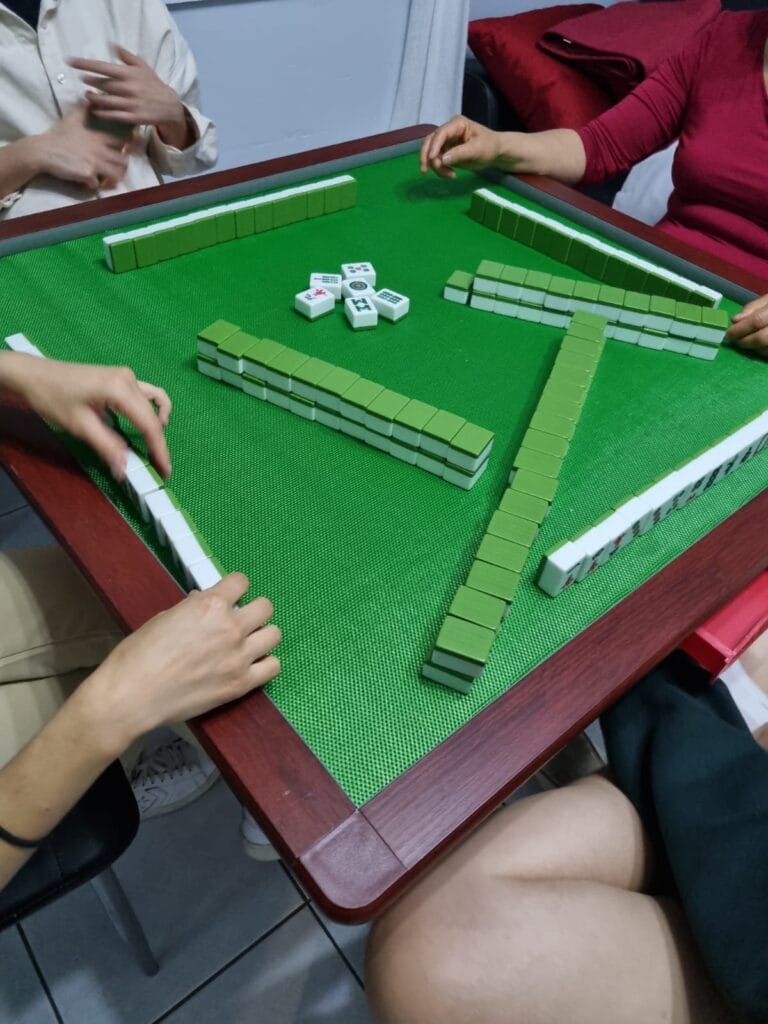
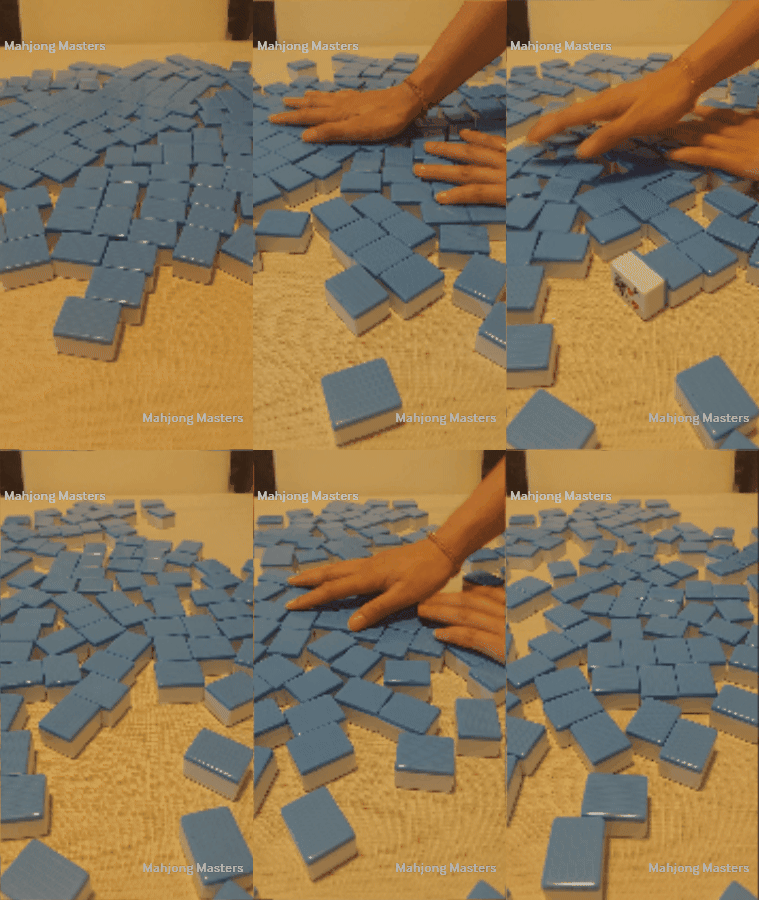
All 136 tiles (144 if playing with flowers and seasons) are mixed up and placed face down on the table. They will be shuffled randomly, like shuffling a deck of cards.
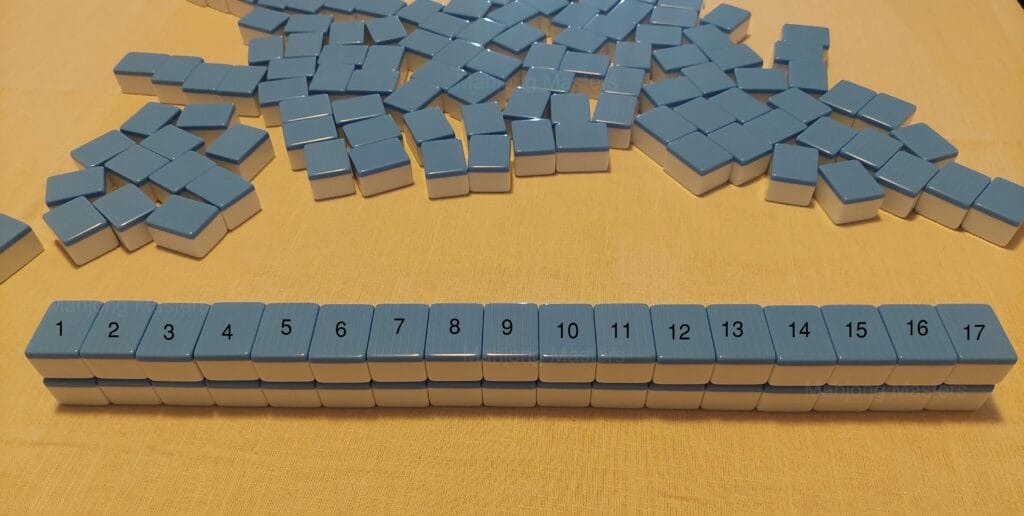
Each players then selects 34 tiles each and arranges it in two tiles high, 17 tiles long. (Note: If you are playing with seasons and flowers, it will be 18 tiles long, therefore a player will take 36 tiles.)
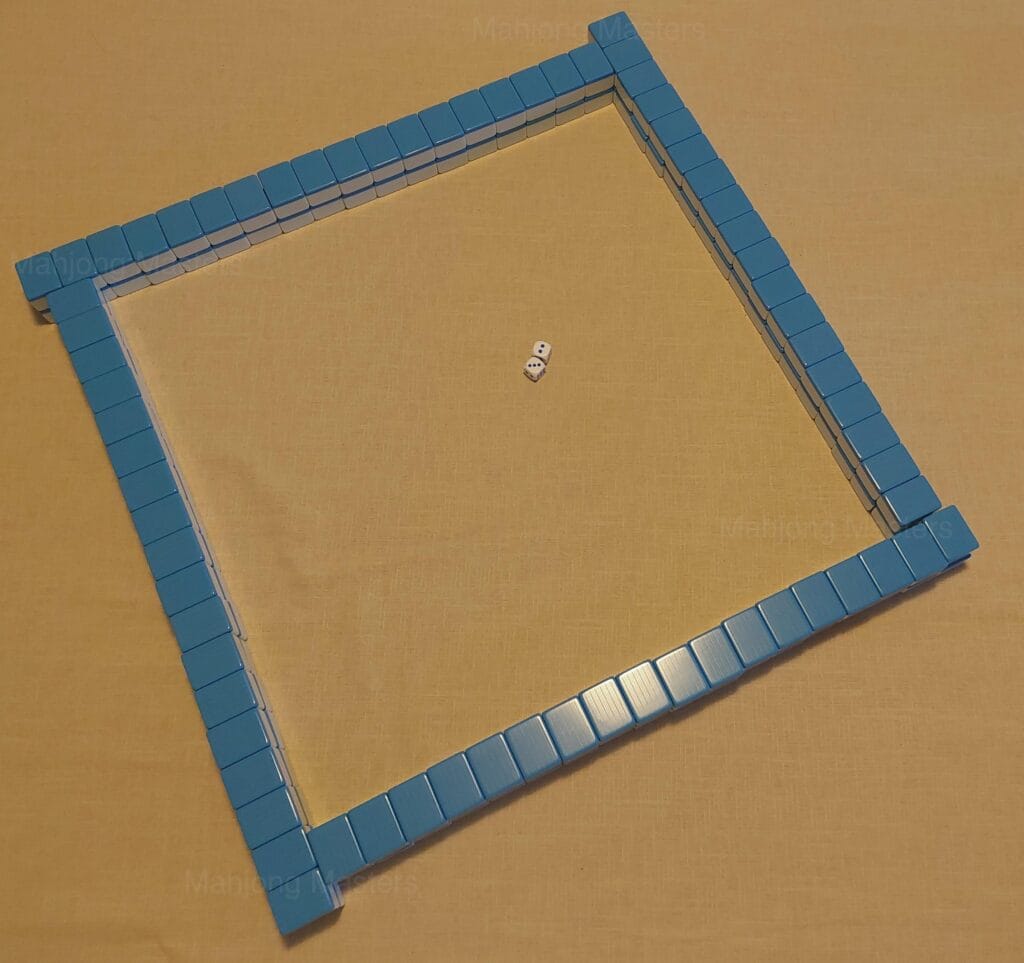
These 4 lines then get joined to make a square called the “wall”.
Step 3: Breaking the wall
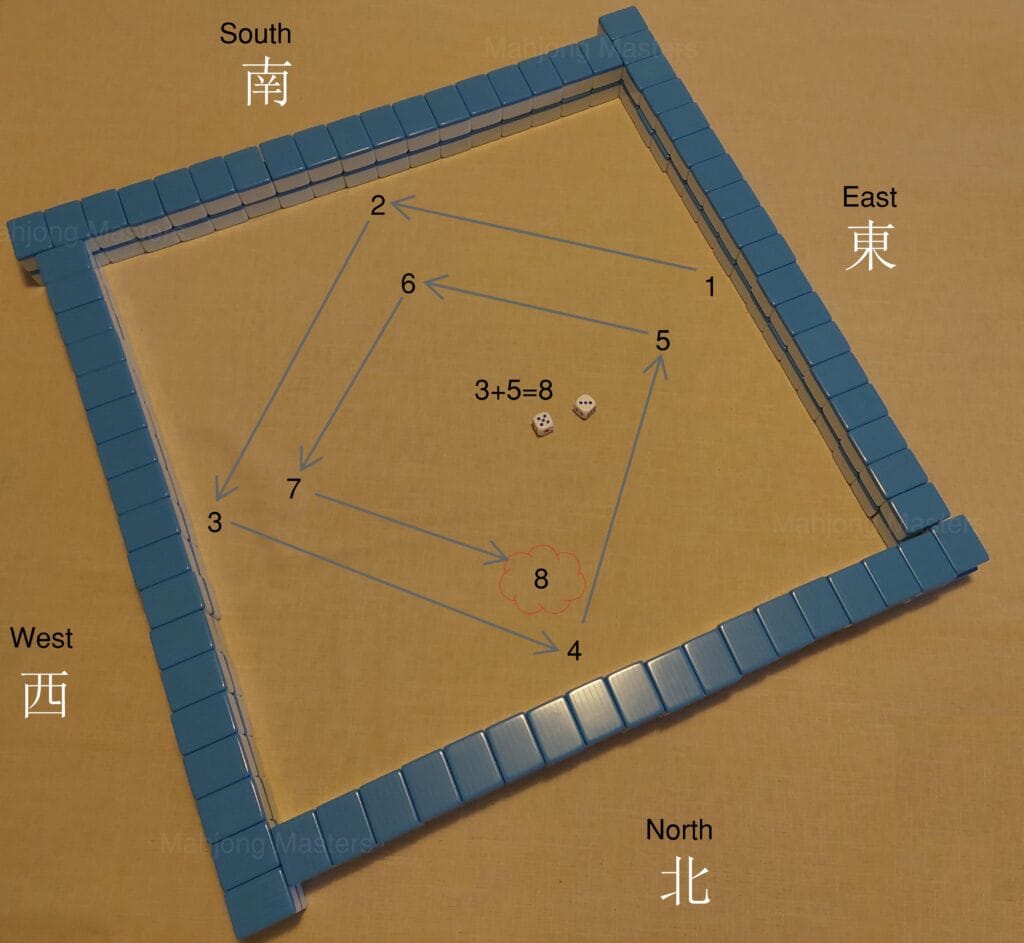
The dealer (sitting in the east position) throws two dice and adds the two together. Count anti-clockwise counting from 1 (East) -> 2 (South) -> 3 (West) -> 4 (North) -> 5 (East) and so forth.
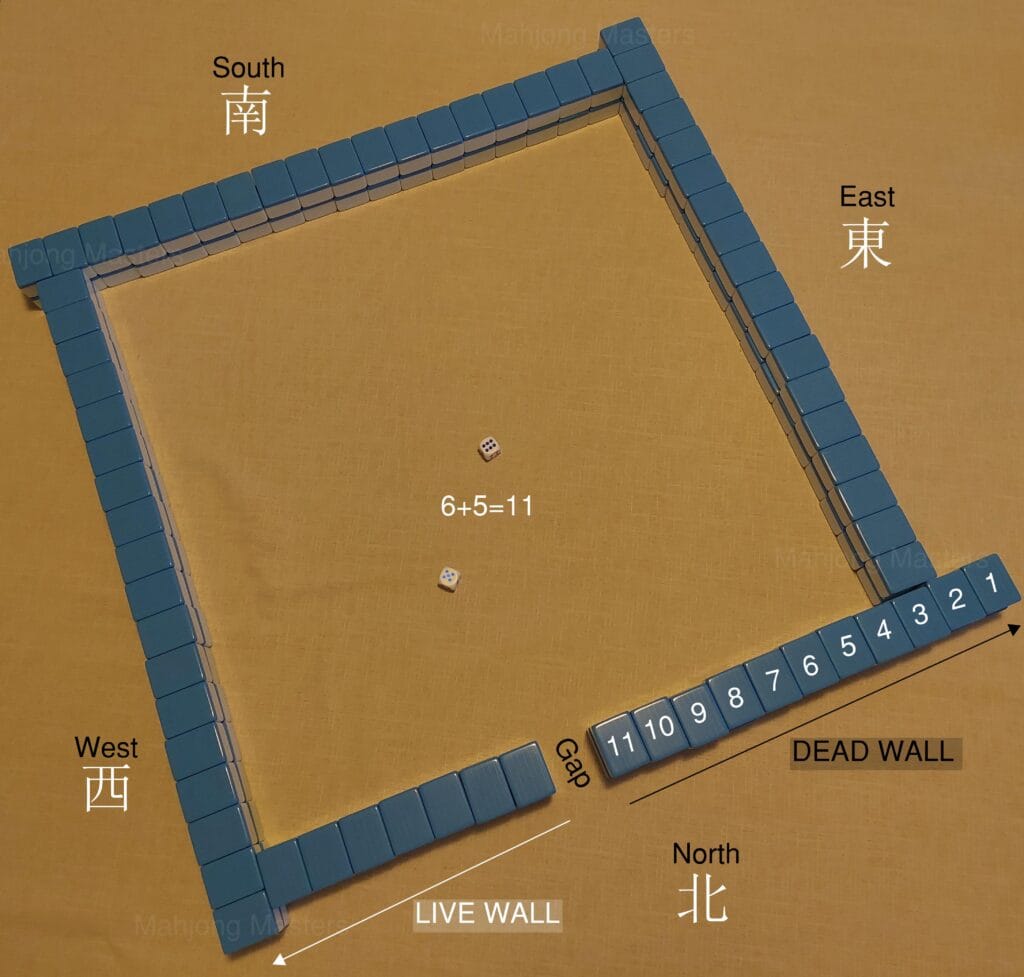
The position that it stops (in this example, North), that player throws the two dice and adds the numbers together (in this example 6+5 = 11). Starting at the right hand end of their part of the wall. They count the thrown total along, and when it comes to the last two tiles, break the wall with a gap at this point by pushing the left hand tiles slightly further to the left to make a gap. This is where the tiles will be drawn from.
Step 4: Dealing the tiles
The person who ‘broke’ the wall then starts dealing. Each player will get 13 tile, besides the ‘East’ player who will have 14, and need to discard a tile in the first play.
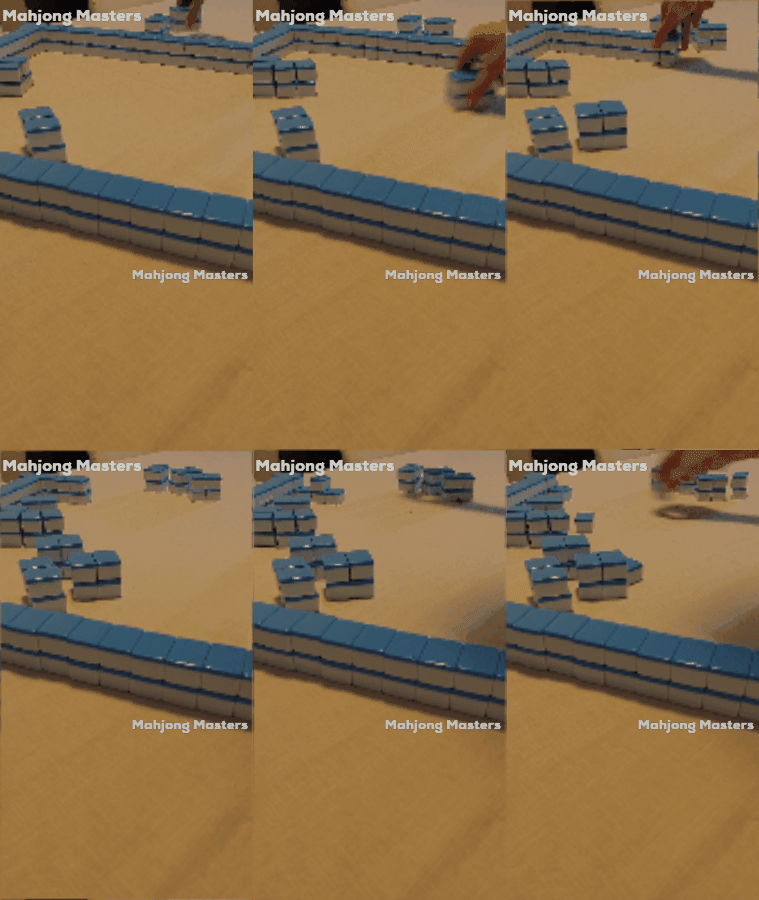
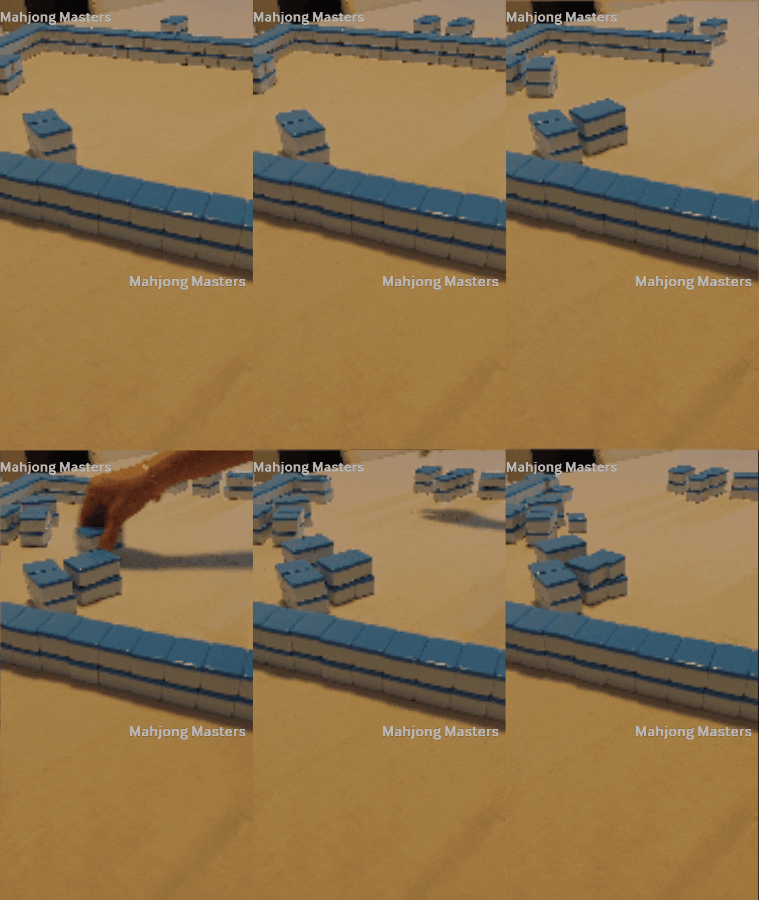
The order of the deal will be East (4 tiles), South (4 tiles), West (4 tiles), North (4 tiles), East (4 tiles), South (4 tiles), West (4 tiles), North (4 tiles), East (4 tiles), South (4 tiles), West (4 tiles), North (4 tiles), East (2 tiles), South (1 tile), West (1 tile) and North (1 tile).
There are two ways to deal the final tiles. The ‘jump’ and the ‘double’.
Now that you have dealt the tiles, you are ready to begin the game!
Mahjong in Pop Culture: Tracing the Game’s Influence in Movies
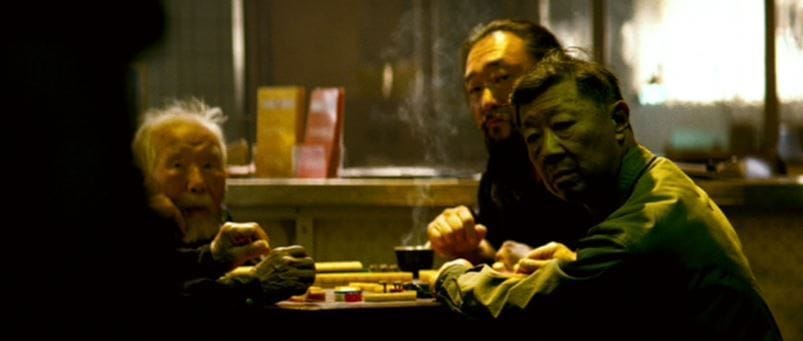
Mahjong, the ancient Chinese game of strategy and skill, has left an indelible mark on popular culture worldwide. From its depiction in movies and TV shows to its role in literature and art, Mahjong has captivated audiences and inspired creativity across various mediums. In this blog post, we’ll explore the rich tapestry of Mahjong’s influence in pop culture, tracing its presence in movies, TV shows, and literature.
In this post, we will focus on both western and eastern movie references. Mahjong has made notable appearances in several films, both as a central theme and as a backdrop for character interactions.
The Joy Luck Club
One of the most iconic portrayals of Mahjong in cinema can be found in the 1990 film “The Joy Luck Club,” directed by Wayne Wang. The movie follows the lives of four Chinese-American women and their complex relationships with their mothers, all of whom gather regularly to play Mahjong. The game serves as a metaphor for their interconnected lives and shared struggles, showcasing the power of Mahjong to bridge generational and cultural divides.
Crazy Rich Asians
In the mahjong scene, Rachel invites Eleanor to meet with her at a mahjong parlor. When Eleanor arrives, she takes the open seat across from Rachel and is offered the role of dealer — the “East” seat. Eleanor, in the role of the “East,” representing Asia, is the player in control. Rachel, sitting across from her, represents America — the “West.”
The scene than shows a number of discarded bamboo tiles. Discarded bamboo calls to mind a frequently used term for Westernized overseas Asians, this one Cantonese: jook sing, which literally means “empty bamboo.” The “empty” bamboo tiles are scattered alongside the tiles for East and West, not truly part of either, representing Eleanor’s perception of Rachel.
Although, the number eight is of huge symbolic importance to the Chinese; as it resembles the character for fortune and is considered a sign of wealth, prosperity, and happiness. It doesn’t have special value in the game of mahjong. However, in this scene the eight of bamboo is also the one tile Rachel needs to complete her hand. This is a winning tile for her.
That’s when Rachel throws out the eight of bamboo as a discard — folding her winning hand, knowing that Eleanor will pick it up and declare victory. While this happens, she explains that when Nick finds the proper match in the future, she wants Eleanor to understand that the only reason it occurred was because a “poor, raised by a single mother, low-class immigrant nobody” — Rachel — made it possible.
She then reveals her hand, which would have won, making it clear to the whole table what she’s done, and walks away.
Others
Other notable films featuring Mahjong include “In the Mood for Love,” and “The Gambler,” each offering unique perspectives on the game’s role in storytelling and character development.
Some movies have had passing references to mahjong, for example “Suicide Squad” and “Mission Impossible III”.
As you can there are references to Mahjong in both western and eastern movies and films. Now, you can enjoy it yourself.
Mahjong, often associated with its traditional Chinese roots, has taken on a distinct Western flavor. Western Mahjong, also known as American Mahjong, follows a unique set of rules that differentiates it from its Asian counterparts. In this post, we’ll explore the key elements of Western Mahjong rules, shedding light on its fascinating history and how it has evolved into a beloved game in the West.
The Basics of Western Mahjong
Western Mahjong is typically played with four players seated around a table, much like other versions of the game. However, what sets it apart are the following defining features:
1. Tiles
Western Mahjong employs a set of 152 tiles, compared to the 144-tile set used in traditional Chinese Mahjong. The additional tiles are jokers and special rules are associated with them.
2. The Card
Western Mahjong uses a “card” that lists various combinations or hands that players can aim to complete during a round. The card typically consists of hands classified by their difficulty, ranging from easier combinations to more challenging ones. Players select a hand at the beginning of a game and aim to build their hand accordingly.
3. Charleston
The Charleston is a unique feature of Western Mahjong, taking place at the beginning of each round. Players pass tiles to each other, offering them a chance to improve their hands. The Charleston adds a strategic layer to the game, as players must decide which tiles to keep, pass, or discard.
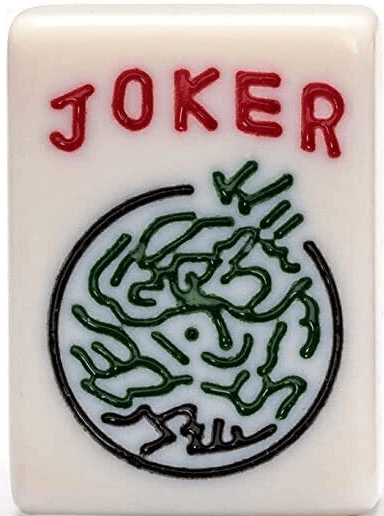
4. Jokers
Jokers are often used in Western Mahjong and can substitute for any tile to complete a winning combination. They add an element of unpredictability and excitement to the game.
5. Winning Hands
To win a round of Western Mahjong, a player must complete a hand that matches the combination they selected from the card at the beginning of the game. Winning hands often involve combinations of suits, winds, dragons, or specific patterns.
6. Scoring
Scoring in Western Mahjong can be based on the difficulty of the completed hand, with more challenging hands earning more points. The points system can vary depending on house rules or the specific variant being played.
Western Mahjong is a captivating adaptation of the classic Chinese game, with its own unique rules and features. It has found a devoted following in the Western world, with many enthusiasts gathering for friendly games or even participating in tournaments.
As you explore the world of Western Mahjong, you’ll find a delightful blend of strategy, social interaction, and cultural appreciation. Whether you’re new to the game or a seasoned player, Western Mahjong offers a rich and engaging experience that continues to evolve and flourish in the West. So, gather around the table, shuffle those tiles, and prepare for a game that’s as challenging as it is enjoyable.
Understanding the Differences Between Chinese and Western Mahjong
Mahjong is a timeless game that has captured the hearts of players worldwide. While it has its origins in China, Mahjong has evolved into various regional variations, with Chinese Mahjong and Western Mahjong being two of the most distinct. In this blog post, we’ll explore the key differences between these two versions of the game, shedding light on their rules, tiles, and cultural significance.
1. The Tiles
Chinese Mahjong:
144 Tiles: Chinese Mahjong is traditionally played with a set of 144 tiles. These tiles are divided into three suits (Circles, Bamboos, and Characters), Honor tiles (Winds and Dragons), and Bonus tiles (Flowers and Seasons).
No Jokers: Chinese Mahjong does not use joker tiles. Players rely solely on the tiles in their standard set to form combinations and win the game.
Western Mahjong:
152 Tiles: Western Mahjong, also known as American Mahjong, uses a set of 152 tiles. In addition to the tiles found in Chinese Mahjong, it includes 8 jokers that can be used as wild cards.
Jokers: Jokers in Western Mahjong add an element of unpredictability. They can substitute for any tile, offering players more flexibility in completing winning combinations.
2. The Rules
Chinese Mahjong:
Standard Rules: Chinese Mahjong follows traditional rules that have been in place for generations. The game emphasizes specific combinations, scoring systems, and strategies.
Minimal Variations: While there may be regional variations in rules, Chinese Mahjong is known for its consistency and adherence to time-honored traditions.
Western Mahjong:
Adaptation and Variability: Western Mahjong has seen adaptation and evolution over time. It is played with various rule sets and scoring systems, often influenced by the preferences of local players or groups.
Hands and Scoring: Western Mahjong typically uses a “card” that lists different combinations or hands players can aim to complete. The hands vary in complexity and points awarded.
The Charleston: The Charleston is an essential part of Western Mahjong. Players pass tiles to each other in a strategic manner, enhancing their chances of completing their chosen hands. This phase adds a unique layer of interaction and complexity to the game.
3. The Cultural Context
Chinese Mahjong:
Cultural Significance: Mahjong is deeply ingrained in Chinese culture, reflecting social dynamics, family gatherings, and leisure activities. It has also found its way into Chinese literature, art, and cinema.
Strategy and Tradition: Chinese Mahjong places a strong emphasis on strategy and adheres to established traditions. It is often associated with the skill and wisdom of older generations.
Western Mahjong:
Social Enjoyment: Western Mahjong, particularly American Mahjong, is often played in a more relaxed, social setting. It brings people together for friendly games and is a popular pastime in various communities.
Adaptation and Creativity: Western Mahjong allows for more adaptation and creativity in rule sets and gameplay. It embraces new variations and local preferences.
It’s obvious that Chinese Mahjong and Western Mahjong represent two distinct branches of a beloved game, each with its own rules, tiles, and cultural significance. While Chinese Mahjong maintains a strong connection to tradition and strategy, Western Mahjong offers a more adaptable and social experience, with variations in rules and the inclusion of jokers.
No matter which version you play, Mahjong continues to bridge cultures, generations, and geographical boundaries, showcasing the enduring appeal of this timeless game. Whether you’re drawn to the elegance of Chinese Mahjong or the creativity of Western Mahjong, the spirit of the game remains the same: to enjoy the camaraderie and challenge that Mahjong offers.
Mahjong for Absolute Beginners: Everything You Need to Know Before Your First Game
Mahjong may look complex at first glance, but it’s much easier to learn than it appears. Played for over a century, Mahjong is a tile-based strategy game that blends skill, memory, and a bit of luck. This beginner’s guide will walk you through everything you need to know before sitting down for your first game.
What Is Mahjong?
Mahjong is typically played by four players, using a set of 144 tiles. The goal is to complete a winning hand before your opponents by forming specific tile combinations.
Have you ever wondered what the different Mahjong Tiles represent? Did you every want to figure out the significance? How do you use them?
Mahjong, the ancient Chinese game that has entranced players for centuries, is not just about strategy and skill; it’s also a visual and tactile experience. Central to this experience are the beautifully crafted tiles, each with its own symbolism and significance. In this blog post, we delve into the world of Mahjong tiles, exploring their rich history and the deeper meaning they bring to the game.
1. The Composition of Tiles
A Chinese Mahjong sets consist of 144 tiles, divided into different categories:
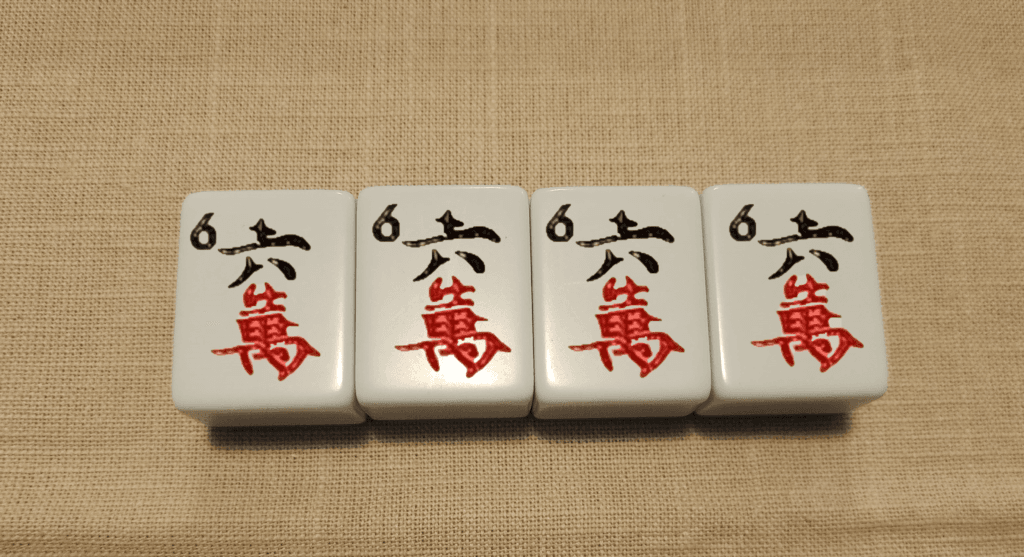
Suits: These include the Circles (or Dots), Bamboos (or Bams), and Characters (or Craks), each numbered from one to nine. These tiles are often called the “simple” tiles.
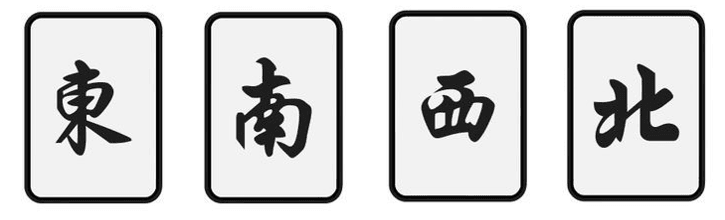
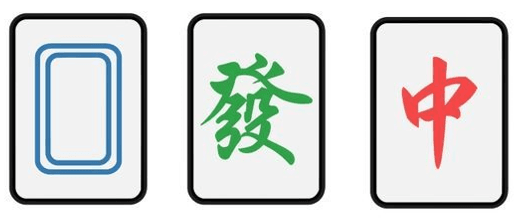
Honors: The honors tiles consist of the Winds (East, South, West, and North) and the Dragons (Red, Green, and White). These tiles are considered more valuable and carry unique symbolism.
Bonus Tiles: These tiles, the Flowers and Seasons, are not essential for gameplay but are added for extra layers of excitement in some variations.
2. Symbolism of Tiles
Each category of tiles in Mahjong carries its own symbolism:
Suits (Circles, Bamboos, and Characters): These represent various aspects of daily life, such as wealth, simplicity, and the written word.
Honors (Winds and Dragons): These tiles are associated with natural forces and elements. The Winds represent directional forces, while the Dragons symbolize mythical creatures or elements.
Flowers: These tiles represent the four seasons and the passing of time, often adding an aesthetic and poetic touch to the game.
3. Suit Tiles
a. Circles (筒, tóng): These are often referred to as “dots” in some variations. Circles represent coins or money and are associated with wealth and prosperity.
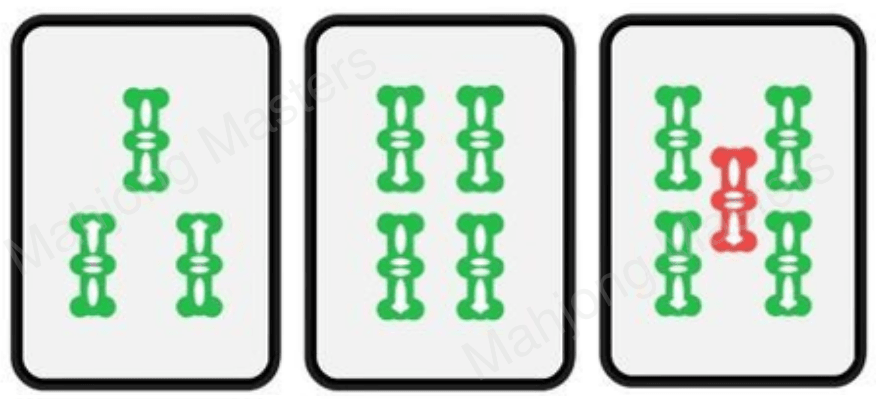
b. Bamboos (索, suǒ): Also known as “sticks,” these tiles depict bamboo sticks or rods. They symbolize simplicity and tranquility.
c. Characters (萬, wàn): These tiles feature Chinese characters from one to nine, representing various objects and concepts. They are often associated with the everyday aspects of life.
4. The Winds
The Winds (East, South, West, and North) are particularly significant in Mahjong:
East (东 – Dōng): East represents the dealer or the most favorable seat at the table. It’s often associated with the beginning of a new cycle.
South (南 – Nán): South symbolizes growth and development, making it the second most favorable seat.
West (西 – Xī): West represents stability and maturity.
North (北 – Běi): North is associated with old age and decline.
5. The Dragons
The three Dragon tiles, known as the Red, Green, and White Dragons, have their own unique symbolism:
Red Dragon (红中 – Hóng Zhōng): The Red Dragon often represents success, good luck, or prosperity.
Green Dragon (青发 – Qīng Fā): The Green Dragon is linked to the concepts of growth and change, often associated with spring.
White Dragon (白板 – Bái Bǎn): The White Dragon is related to purity and simplicity.
6. Bonus Tiles
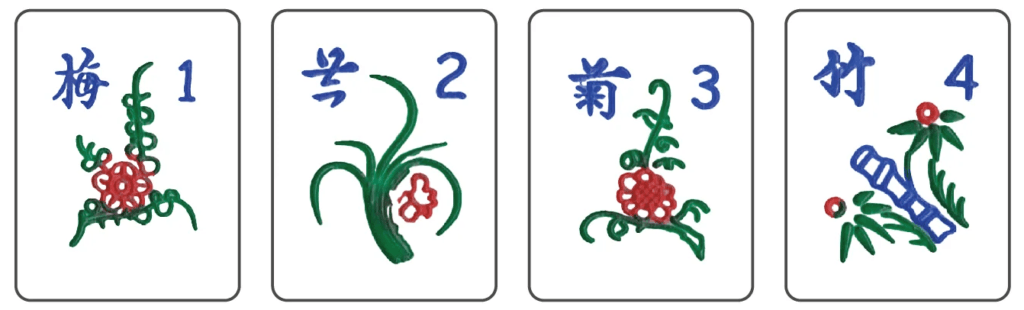
a. Flowers (花, huā): These tiles depict various flowers and are often used as bonus tiles or as part of special combinations. They bring a touch of beauty and grace to the game. Plum (梅), Orchid (蘭), Chrysanthemum (菊) and Bamboo (竹).
Plum
Orchid
Chrysanthemum
Bamboo
梅
蘭
菊
竹
méi
lánhuā
júhuā
zhú
East
South
West
North
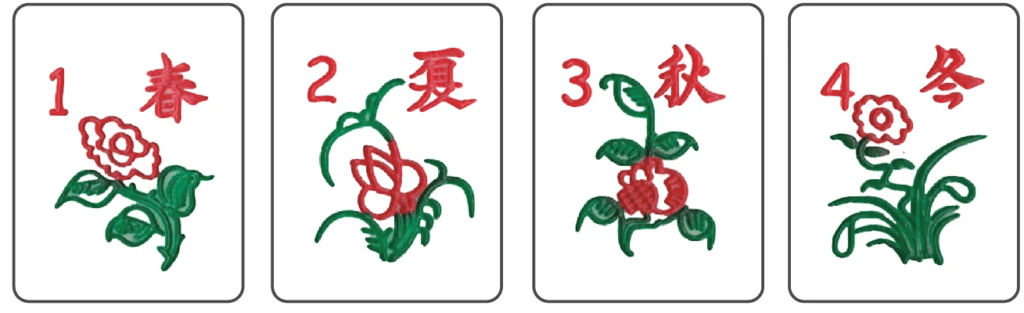
b. Seasons (季節, jìjié): Similarly, season tiles depict the four seasons—spring (春, chūn), summer (夏, xià), autumn (秋, qiū), and winter (冬, dōng). They add an element of seasonal change to the game.
Spring
Summer
Autumn
Winter
春
夏
秋
冬
chūn
xià
qiū
dōng
East
South
West
North
7. Jokers and Other Variations
In some Mahjong variations (for example Western Mahjong), you might find additional tiles, including jokers or wild cards. These tiles can be used to substitute for others, adding an element of unpredictability to the game.
Mahjong is not just a game; it’s a visual journey through intricate symbolism and meaningful representation. The tiles themselves are like miniature pieces of art, and understanding their deeper significance adds an extra layer of appreciation to the game. The next time you gather around the Mahjong table, take a moment to admire the tiles, appreciate their history, and consider the rich symbolism they bring to this timeless pastime.
Here are 10 surprising facts about Mahjong that you may or may not know about:
1. Mahjong is considered a mind-sport and is often played in competitive tournaments.
2. Although it’s often thought of as Chinese, Mahjong actually originated in 19th century China and has a mix of elements from other Chinese games.
3. The name “Mahjong” is derived from Chinese characters. “Ma” means sparrow, and “jong” means tile. The game’s name could be translated as “Sparrow Tiles,” possibly because early Mahjong tiles featured bird motifs.
4. The tiles used in Mahjong are traditionally made from bamboo, ivory, or bone.
5. There are over 200 variants of Mahjong played around the world, including different rules and tile sets.
6. The game is said to have been invented by Confucius as a way to teach his students strategy and critical thinking.
6. Mahjong is often played during the Chinese New Year and is seen as a way to bring good luck and fortune in the coming year.
8. The first Mahjong set to be patented was in the United States, not China.
9. In 2011, a massive Mahjong game entered the Guinness World Records. The game involved 2,680 participants in Chengdu, China, playing with a colossal 18,144 tiles. It stands as the largest Mahjong game ever played.
10. During the Chinese Cultural Revolution in the mid-20th century, Mahjong faced criticism as a symbol of traditional culture. However, it experienced a resurgence in popularity in the 1980s as social attitudes shifted.
Are there anymore that you know about? Post it in a comment below!
Mahjong (麻將, pronounced mah-jong), is the ancient Chinese game of strategy, skill, and chance, has captured the hearts of millions worldwide. Its history is as rich and intricate as the game itself. In this blog post, we embark on a journey through time to explore the captivating history of Mahjong, from its enigmatic origins in China to its global popularity today.
The Birth of Mahjong: Early Origins
The exact origins of Mahjong remain shrouded in mystery. Some historians suggest that it emerged in ancient China during the time of Confucius, over 2,500 years ago. Legend has it that the game was created by a Chinese philosopher to teach his students about life’s principles.
The game was originally called 麻雀 (pronounced mah-chue), meaning sparrow. The name sparrow may be due to the clacking sounds of tiles during shuffling resembles the chattering of sparrows. This name is still used in several southern Chinese languages such as Hokkien and Cantonese.
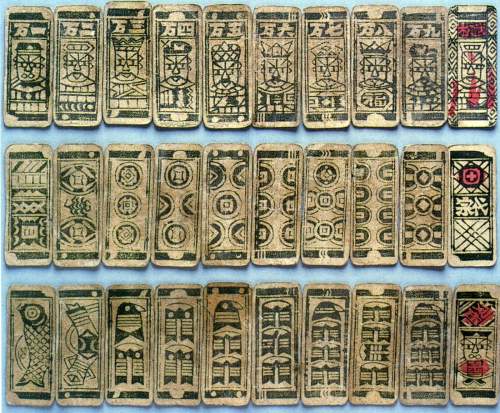
There is a possibility that some say early versions of Mahjong used cards rather than the familiar tiles. These cards, known as “madiao,” featured different combinations, similar to modern Mahjong hands. However, the transition from cards to tiles occurred later in the game’s evolution.
Image courtesy of https://sloperama.com/mjfaq/mjfaq11b.html: One of several decks of money-suited cards in the collection of the Mahjong Museum in Chiba, Japan. The museum’s 1999 “Big Encyclopedia” refers to these cards (perhaps erroneously) as “Matiao playing cards,” and notes that this type of card is “currently used mainly in Beijing.” P. 45.
Mahjong’s Transformation: Late 19th Century to Early 20th Century
The game’s transformation into the Mahjong we know today began in the late 19th century. This period saw the shift from card-based versions to the distinctive ivory or bamboo tiles we associate with the game.
One of the pivotal moments in Mahjong’s history occurred during the early 20th century. Joseph Park Babcock, an American businessman, played a vital role in introducing Mahjong to the Western world. After learning the game in China, he published a simplified rulebook in English, making it accessible to a broader audience.
Mahjong in the Roaring Twenties
The 1920s saw a Mahjong craze sweep across the United States. The game became a social phenomenon, captivating people from all walks of life. It was often referred to as the “game of a thousand wonders” due to its complexity and the intricacy of the tiles.
Mahjong clubs and parlors sprung up across the country, and women’s magazines featured articles on the latest Mahjong strategies and etiquette. It became a symbol of the era’s cultural dynamism and the newfound liberation of women.
Mahjong in Pop Culture
Mahjong’s popularity extended beyond the game itself. It made appearances in various forms of media, including films, books, and art. The game even played a role in political cartoons, reflecting the geopolitical climate of the time.
In popular culture, Mahjong became synonymous with sophistication and social interaction. It appeared in iconic movies like “The Joy Luck Club” and “Crazy Rich Asians,” helping to cement its status as a timeless classic.
Modern Mahjong: A Global Phenomenon
Today, Mahjong transcends cultural and geographical boundaries. It has adapted to the digital age, with online versions and mobile apps allowing players from around the world to enjoy the game together.
Competitive Mahjong has also gained prominence, with international tournaments drawing top players from various countries. The World Mahjong Championship, for example, showcases the game’s global appeal.
Mahjong’s history is a testament to its enduring allure. From its enigmatic origins in ancient China to its widespread popularity in the modern world, Mahjong has stood the test of time. It is not merely a game but a cultural phenomenon that continues to bridge cultures and generations. As we shuffle the tiles and draw the first hand, we become part of this fascinating history, carrying forward a tradition that has spanned centuries.